
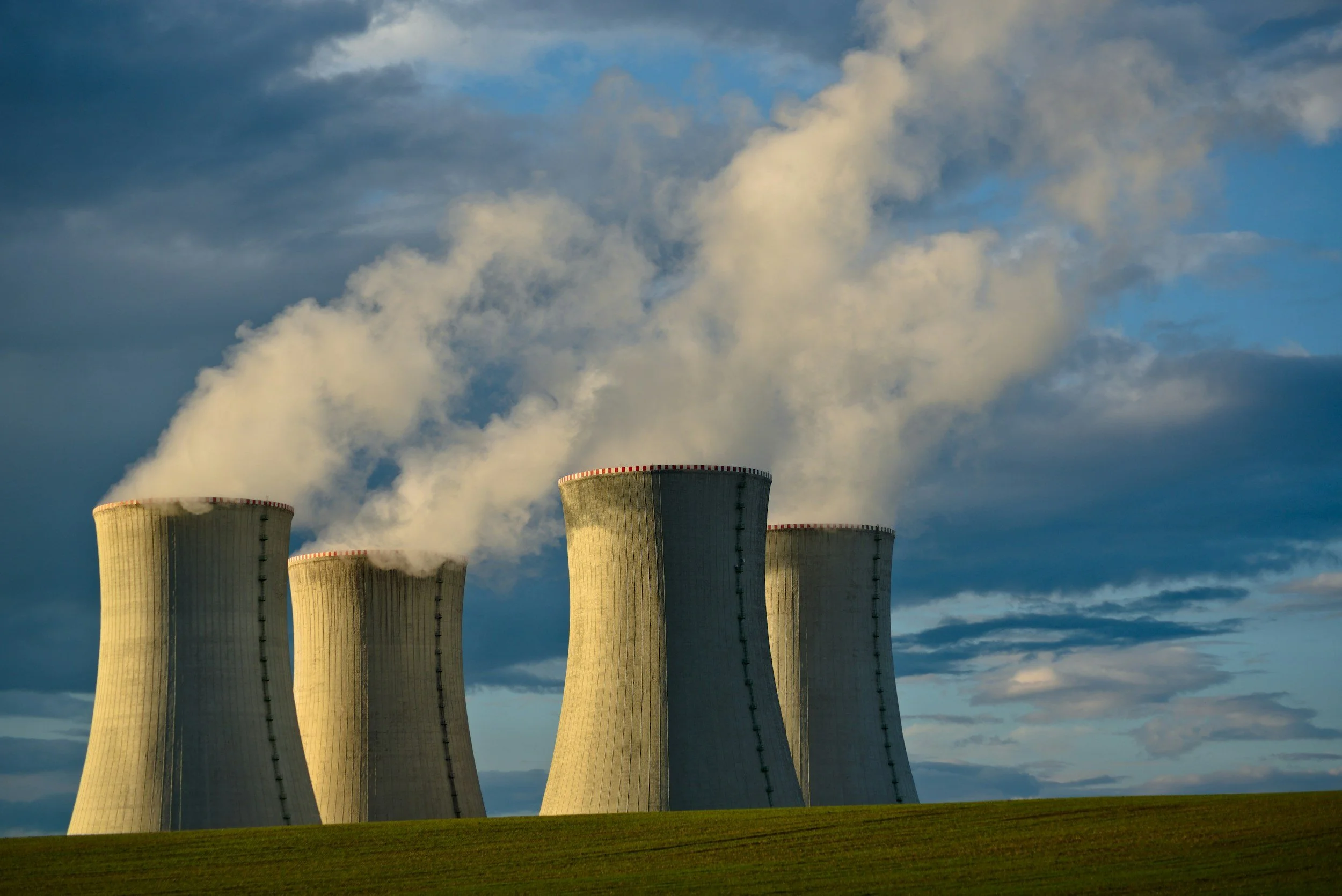
USA and the Future of Nuclear Energy
AI data-center demand is reviving U.S. nuclear energy. The ADVANCE Act modernizes licensing and startups advance SMRs, but cost, supply-chain, and workforce gaps remain, with the Rust Belt favorably positioned.

Governing by Algorithms: Eduardo Albrecht’s Diagnosis of Institutions in the Age of AI
In his recent book Political Automation: An Introduction to AI in Government and Its Impact on Citizens (Oxford University Press, 2025), Professor Eduardo Albrecht explores the tension between technology and government. Rather than treating artificial intelligence as a tool to be regulated within existing democratic frameworks, he approaches it as a structural force that is quietly reconfiguring political power itself.

Lazarus Hacking Group: An Examination of its Patterns, Targeting, and Methodology
Lazarus is a core component of North Korean defense strategy, and their sophistication is a key reason North Korea punches above its weight geopolitically. Despite their relative quiet, Lazarus are quite sophisticated and present a serious cyberthreat when agitated. This follows the traditional North Korean defense posture of threatening deliberate and immediate retaliatory escalation for any slight or grievance.

The Dynamics of China's Private Cybersecurity Companies
The relationship between Chinese private cybersecurity companies and the Chinese government is a multifaceted dynamic that significantly shapes the nation’s cybersecurity ecosystem. In the context of the Indo-Pacific, where geopolitical tensions and security concerns are palpable, understanding the interplay between Chinese private cybersecurity firms and the government becomes imperative for the U.S.

Modular Framework for AI Governance at the UN
AI policy research paper selected by the United Nations Institute for Disarmament Research (UNIDIR) for the 2025 Global Conference on AI, Security, and Ethics in Geneva.