
Why did Israel recognize Somaliland?
Key Notes
Israel recognized Somaliland in December 2025 mainly to regain a Horn of Africa foothold facing Yemen, after its ties with Eritrea and Sudan broke down. Barring a major US policy shift, the relationship will likely remain limited to intelligence, economic and diplomatic cooperation through 2027.
Commercial openings in health, water and agricultural technology will likely stay at pilot scale until Somaliland gains banking access and multilateral lending. Israeli investors also face Houthi threats and an uncertain Berbera corridor, after a Turkish-brokered Ethiopia–Somalia accord stalled Ethiopia’s port deal with Somaliland.
The Houthis’ September 2026 seizure of the Bab el-Mandeb coast makes Somaliland more valuable to Israel for monitoring and early warning. Without a basing agreement, though, the relationship lets Israel observe the strait but adds little ability to shape events there. Recognition is therefore unlikely to affect maritime security or the elevated war-risk premiums.
Development
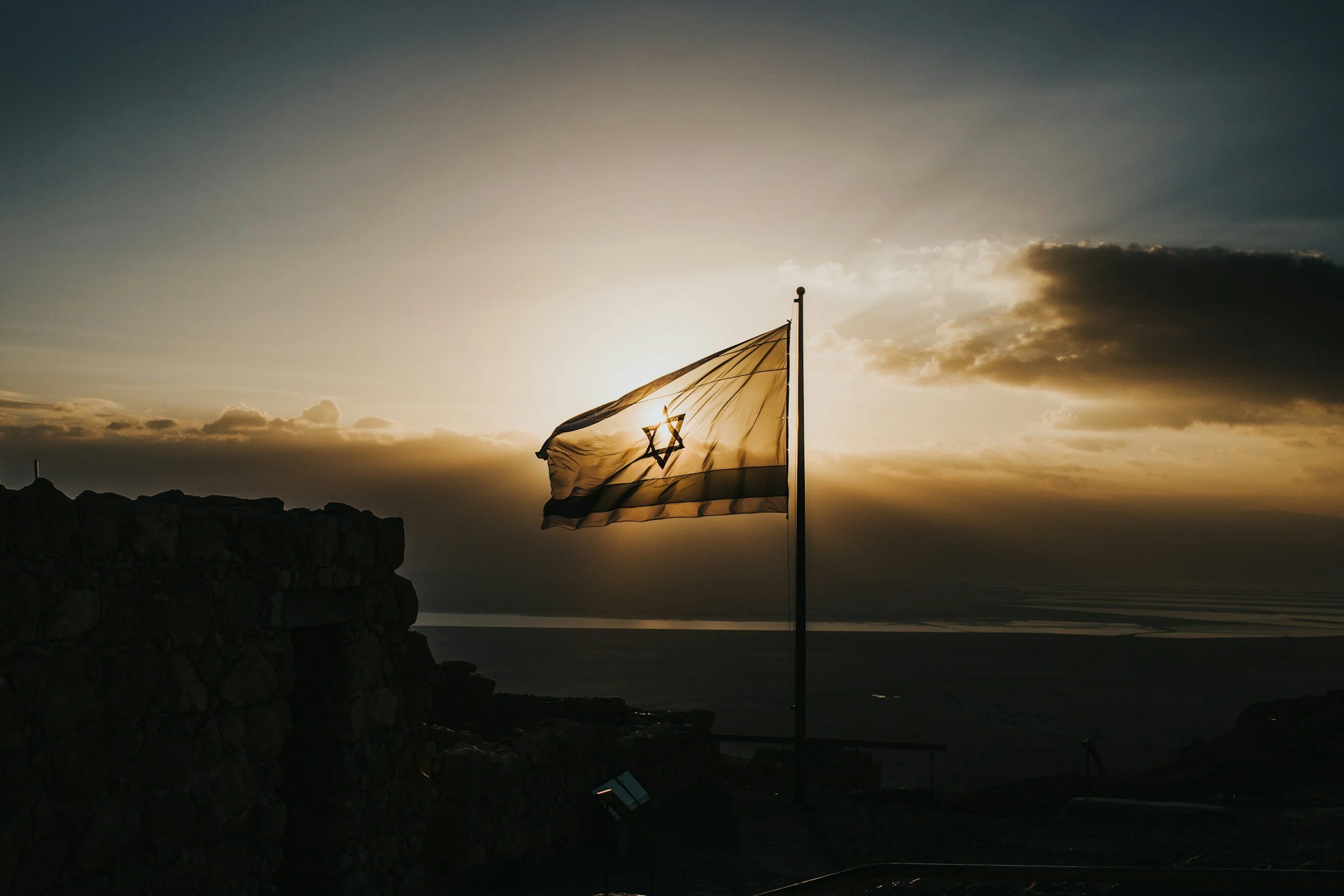
On December 26, 2025 Israel became the first UN member state to recognize Somaliland, a breakaway territory of Somalia sitting on the Gulf of Aden, across from Yemen [1]. Prime Minister Netanyahu described the move as made “in the spirit of the Abraham Accords” [2]. The following January saw a visit from Israel's Foreign Minister Gideon Sa’ar to Somaliland and Somaliland opening an embassy in Jerusalem in June of 2026 [3].
The recognition came after Israel's partnerships with other Red Sea countries broke down. Eritrea rejected Israel's new ambassador from 2020 to 2022 causing Israel to close its embassy [4]. Sudan’s near normalization in 2021 stalled after the military coup and subsequent war [5]. Following the outbreak of the October 2023 war in Gaza, the Houthis launched their campaign attacking commercial shipping in the Red Sea and the Gulf of Aden [6]. Their disruptions left Israel's Eilat port unprofitable, with consumer vehicles, the main source of traffic, dropping by 75% [7]. The Houthi’s took the coastline of the Bab el-Mandeb Strait in September of 2026 [8], which sees about 12-15% of Global Maritime Trade that's worth over $1 million pass through its pathways. Yemeni government forces launched a counteroffensive on October 5, 2026 and claimed to have retaken the Dhubab district and Mocha [10].
Somalia, backed by Egypt, Turkey and the African Union, rejected Israel’s recognition [11]. Ethiopia signed a port access memorandum with Somaliland in January of 2024 [12]. The United States remains supportive of maintaining Somalia's territorial integrity due to counterterrorism cooperation with Mogadishu. However, President Trump recently referred to Somalia as a “totally different country” [13].
Analysis
Israel recognized Somaliland primarily to gain a strategic foothold near the Iran backed Houthis and to counter the growing Turkish and Saudi influence in the Horn of Africa. According to INSS data, Since October 7th, the Houthis have launched more than 370 rockets and drones at Israel [14] . Somaliland offers the Israelis potential early warning and monitoring toward Yemen. Le Monde reported that construction work at Berbera Airport could allow future use by the UAE, US, and Israel [15]l.
Somaliland has publicly ruled out foreign bases, though the Atlantic Council cites regional reports that its leadership was open to a security presence [16]. For now, Jerusalem gets proximity, intelligence, and a commercial foothold at the port of Somaliland which was previously developing as a trade corridor into the Ethiopian market which has more than 120 million people. That corridor is also where Israel’s growing rivalry with Turkey is the most relevant [12]. Turkey brokered the Ankara Declaration in December of 2024 which put Somaliland’s port deal with Ethiopia on pause.
Hargeisa is gaining more than recognition, something it has chased since 1991. Somaliland has no permanently flowing rivers and is dependent on inconsistent rain and a shrinking ground water reserves. Its first official delegation to Israel toured a wastewater recycling plan. Water and agricultural technology look like the earliest areas of exchange between the countries.
The move came during a pause in Houthi attacks that followed the October 2025 ceasefire in Gaza[17] and days before a meeting between Trump and Prime Minister Netanyahu [18]. This timing suggests that Jerusalem was positioning itself for the future instead of responding to a particular past attack. Israel accepted an emergency Security Council session and condemnations from Somalia, Turkey, Egypt and the African Union [19].
Forecast
Trump's recent remarks boasting that Somaliland is a completely different country than Somalia raise the possibility of a shift in US policy towards Somaliland recognition, but without one, the Israel–Somaliland relationship is likely to remain focused on diplomatic, intelligence and economic cooperation through 2027. Militarily, two constraints maintain this. Houthi leader Abdul–Malik al-Houthi declared they would treat any Israeli presence in Somaliland as a legitimate target, which raises Hargeisa's cost of hosting Israeli forces [20]. Somaliland's pursuit of wider recognition also gives it reason to limit visible military ties with Israel.
Commercial cooperation will likely stay at the level of delegations and pilot projects due to Somaliland's lack of recognition bringing limited access to international banking agencies. An Israeli firm or startup that signs an irrigation contract in Somaliland or visible Israeli trade moving through Berbera would sign the relationship moving from diplomacy to commerce. In the meantime, the Houthi seizure of the Bab El-Mandeb coast raises the value of Israel’s foothold without expanding what it can do there, and with the government’s October gains, control of the coastline is likely to stay contested in the coming months.
Exposure and Applied Impact
Israel - Strategic Implication: Jerusalem has already suffered the cost diplomatically of recognition. Its possible weakness is now dependent on Somaliland’s willingness to sustain pressure if Houthi attacks increase or regional isolation encourages Hargeisa to distance itself from Israel.
Somaliland - Strategic & Reputational Impact: Increasing Israeli diplomatic isolation due to fallout from the Gaza war, means that every step Somaliland takes closer to them gives other states considering recognition a reason to wait rather than break with Somalia and the status quo. Further steps closer to Jerusalem could also raise the Houthi risk outlined above.
Somalia & African Union - Strategic Impact: The recognition creates a precedent other separatist movements may draw from, which would weaken the African Union's commitment to their colonial era borders and poses risks to further instability in the region.
Israeli Investors & Businesses - Financial &Operational: The clearest openings are in health, water and agricultural technology, which the governments have named as priorities. Investors will be forced to deal with Somaliland's limited banking access as an unrecognized state and continued threats from the Houthis against Israeli presence. Berbera is an additional risk, as the Turkish brokered Ethiopia - Somalia arrangement has stalled Ethiopia’s port deal with Somaliland, making the corridor’s expansion uncertain.
Shipping & Insurers - Financial &Operational: With control over the Bal El Mandeb under dispute, war risk premiums and costs for re-routing rose after the Houthi’s declared a blockade in July of 2026 [21]. Israel's diplomatic relations with Somaliland are unlikely to affect the navigation through the strait.
